
Data Centres and the Battle for Australia’s AI Future: Why Communications Professionals Need a New Playbook
The Paradox of Access to Health Information: Are we more informed about our health or simply overwhelmed by more information?
September 2026
Beatrice Hua, Associate Director, Sandpiper
Improving access to reliable and trusted health information has been a priority for healthcare organisations and companies, helping people better understand their health and empowering them to make informed decisions.
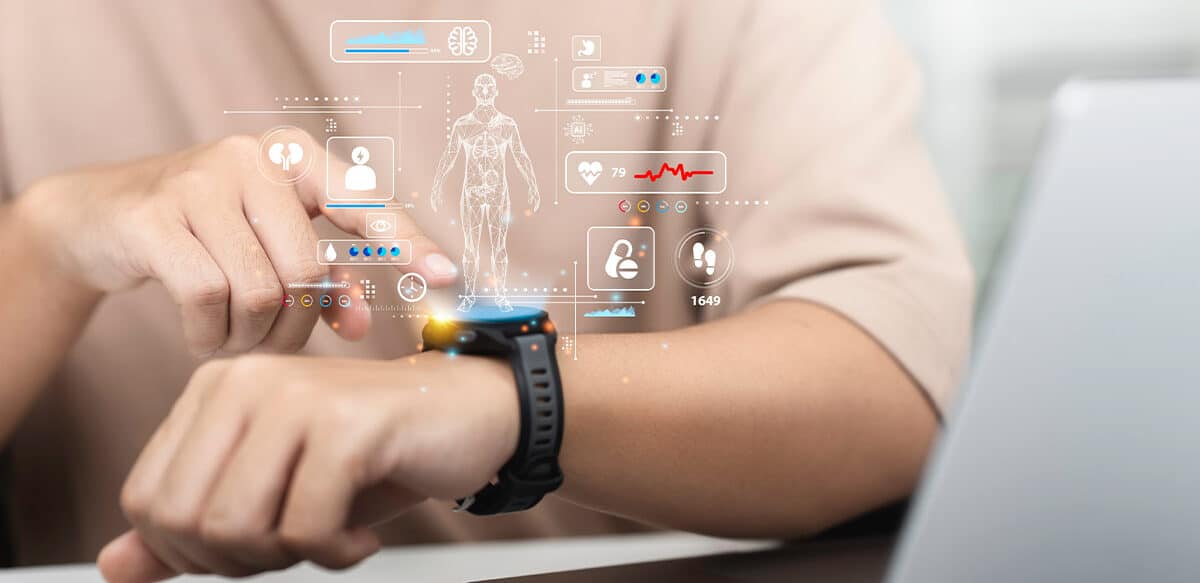
Today, however, we are faced with a deluge of information. Many people wake up already knowing how long and how well they slept, their heart rate, recovery score and stress level, with some even able to track metrics like blood pressure and changes in glucose levels. Within seconds, we can turn to AI tools for answers to health questions, or scroll through social media and encounter an endless stream of health tips and advice.
Has access to this information genuinely made people more informed? The challenge is no longer whether people can access information but whether they can make sense of it, understand what matters, and know how to act on it appropriately. The next phase of patient empowerment therefore lies in ensuring the right interpretation in the right context and building people’s confidence in taking charge of their health.
More positives than negatives
Easier access to health information has created genuine opportunities for people to become more engaged with their health. This can encourage preventive behaviours, help people recognise changes, and give them a greater sense of ownership over their physical and mental wellbeing. Equipped with insightful information, people are also empowered to have constructive discussions with healthcare professionals (HCPs).
However, access to information doesn’t automatically translate into understanding. A person may know their sleep score has fallen or their glucose has spiked, or read about early symptoms of a disease, without knowing whether that information is significant, what may be causing it, or what to do next. Without the right context and interpretation, more information can easily create uncertainty rather than clarity.
Where trusted sources come in
Healthcare organisations, HCPs and health communicators therefore have an increasingly important role in providing the missing layers, which include context, interpretation and guidance about what actions, if any, someone should take.
On social media, we may come across content that guides people towards conclusions about their own symptoms. It could sound like “This symptom means…” or “Avoid this food…”, or perpetuate myths that are simply untrue. Algorithms reward engaging content, not necessarily the right or relevant information. Trusted organisations can proactively explain the evidence and counter misleading content, without adding to already large volumes of it.
When it comes to wearables, metrics like one-off poor sleep or recovery scores can lead to conclusions about one’s health, but these estimates are not clinical assessments. Instead, people should focus on patterns, symptoms and when persistent problems warrant evaluation.
Making information easier to navigate
Healthcare organisations and communicators should therefore not respond to information overload by producing more technical content to add to a crowded landscape, but by making essential health information easier to navigate, understand and act on. The focus should shift from providing more information to helping people identify what is relevant, credible and meaningful to them.
Awareness is critical, but health information should be designed around the decisions people need to make at various stages of their journey, clearly distinguishing education from medical advice, while helping people understand uncertainties and risk. This is to ensure that information ultimately connects people back to appropriate professional care.
The next frontier of patient empowerment
HCPs, organisations and communicators have an important role in helping people turn an abundance of information and data into understanding, confidence and appropriate action. In an age of unlimited health information, the most valuable thing is no longer another data point, but clarity.