

Sandpiper Launches AI-Powered Solution Offering Significant Efficiency and Speed Gains for Global Policy Monitoring

Strategic Communications Is Corporate Diplomacy: How Tech Companies Build Permission to Operate in a Multipolar World
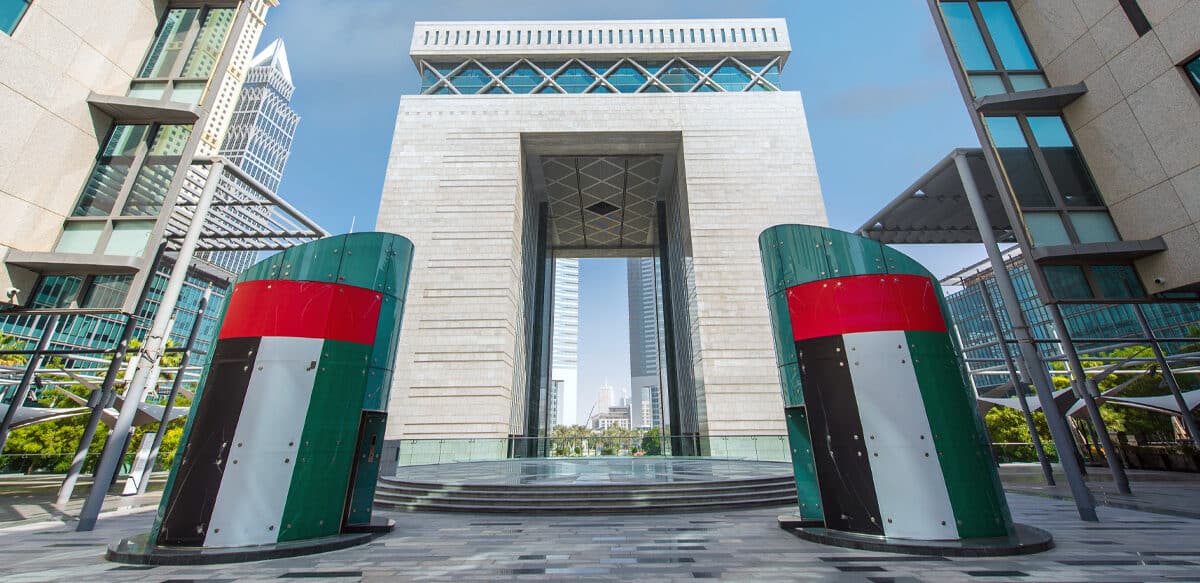
Dubai’s Calm Before, During, and After the Storm
April 2026
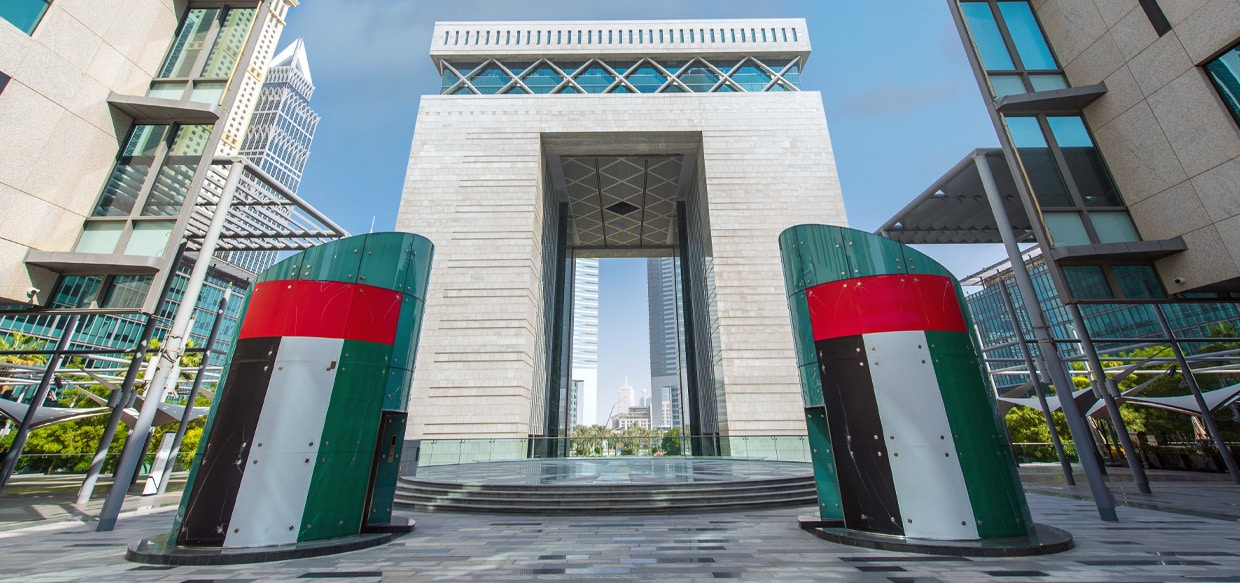
When the UAE came under sustained Iranian attacks in late February, many predicted the end of Dubai’s carefully constructed business landscape. However, the city’s underlying infrastructure proved resilient — and remained fully operational.
What the crisis revealed, more than anything, was the depth of preparedness Dubai and the broader UAE had quietly built over the years; a layered architecture of government coordination, private-sector protocols, workforce protections, and institutional trust that activated with the kind of poise only made possible by years of preparation. Its response was an excellent example of effective crisis management and business continuity plans in action.
The System
Dubai has a long institutional habit of treating potential disruption, whether financial, epidemiological, or geopolitical, as a catalyst for organisational strengthening and learning. The global financial crisis of 2008 prompted a rethink of Dubai’s debt exposure and economic diversification strategy, and the Covid-19 pandemic accelerated investment in digital infrastructure and remote governance capabilities. Each episode reinforced the same lesson, and the infrastructure was strengthened accordingly.
That “institutional memory” mattered most in the earlier weeks of 2026: Dubai’s rehearsed continuity plan made the response to a live crisis look less like emergency management and more like a well-practised drill. Financial markets absorbed the initial shock and stabilised within days, government communication was clear for businesses and individuals, while free zone operators kept their doors open..
Wider Ecosystem
Dubai’s resilience does not exist in isolation; it is embedded within a broader national framework shaped by the United Arab Emirates’ (UAE) leadership. At the federal level, the country continues to be guided with long-term clarity, discipline, and composure.
This synergy between federal and local governments reflects a deeply rooted culture of unity, partnership, and mutual trust among the leadership and people of the UAE. It is a unity that manifests both quietly – through coordinated decision-making and institutional alignment-and visibly, through moments that reinforce public confidence. This was evident in the early days of the war, when leadership presence was deliberate and visible, most notably through the UAE President Sheikh Mohamed bin Zayed Al Nahyan’s visit to Dubai Mall alongside Dubai’s Crown Prince – a powerful signal not only of brotherhood, but of continuity, normalcy, and collective strength.
Business Continuity
Dubai’s resilience is the product of a deliberately constructed public-private partnership, years in the making, that has been continuously nurtured. As Frank Kane, Editor-at-Large of AGBI, observed, Dubai has a consistent habit of turning crisis into opportunity.
In parallel to that partnership, the foundational principle of business continuity in Dubai, even during an active crisis, remains unchanged: human safety precedes everything else. Around 90% of the Dubai population are expats. This is why the Dubai government places the physical safety and mental welfare of its resident population at the centre of its national planning and actively encourages employers to do the same.
That imperative, however, has not come at the cost of business momentum. Companies across different sectors in Dubai have continued operating normally. Additionally, federal and local authorities have intensified coordination with major operators to ensure systems remain functional and responsive, with contingency plans activated across ports and airports while supply chain stakeholders continue to manage inventory and risk exposure in real time. Entrepreneurs across sectors report a similar pattern of operations adapting where necessary, but activity continues as normal.
A testament to that coordination is the Ministry of Human Resources and Emiratization’s (MoHRE) efforts to move swiftly to coordinate the continuity of the private sector workforce, affirming publicly that companies across all economic sectors were continuing operations normally. Its framework rested on four pillars that ensured continuity, maintained operational pace, and sustained investor confidence.
The ministry also introduced specific regulatory measures, including continuous monitoring of worksites, enhanced awareness campaigns on official guidelines, and strengthened communication channels with workers. Crucially, MoHRE reaffirmed that business continuity is the outcome of coordinated efforts between government entities and the private sector.
The Signal
The ability to maintain business as usual during a period of active regional conflict is itself a signal that speaks directly to the long-term proposition Dubai makes to international capital, multinational corporations, and global talent.
What makes this particularly striking is the scale of the attacks the UAE has faced. By most independent assessments, the country received a higher volume of strikes during that period than any other nation in the region; a level of sustained military pressure that would have paralysed most economies and sent businesses scrambling for the exit. Instead, daily commercial life continued with a composure that impressed seasoned regional observers; flights were rerouted rather than grounded; business districts remained open.
Resilience is difficult to manufacture or simulate. It can only be proven in the moment, under real conditions, with real consequences. For the international business community, this capability was confirmed.
Lessons Learned
Dubai has always been, at its core, a vision made real through strong leadership, strategic capital deployment, and exceptional communications capability. This crisis is not an exception to that trajectory, but rather another milestone in its journey – one that Dubai has consistently demonstrated its ability to navigate and emerge stronger from over time.
The lesson is that the most durable form of resilience is one that was built long before the crisis arrived. A real-life example of readiness and institutional calm shows that Dubai did not improvise its response in February 2026; it put in motion an infrastructure it had been building for decades.
Related news & insights:
-

Avoiding an AI Apocalypse: Where do Asia and US business leaders sit on the future of AI policy?
-

Sandpiper Group Expands Public Affairs Leadership in Asia and the Middle East
-

The Paradox of Access to Health Information: Are we more informed about our health or simply overwhelmed by more information?