
From Social Media Bans to Screen-Free Homes: Why Digital Wellbeing is Now a Communications Issue

Insurers Have a Bigger Story to Tell on Asia’s Energy Resilience
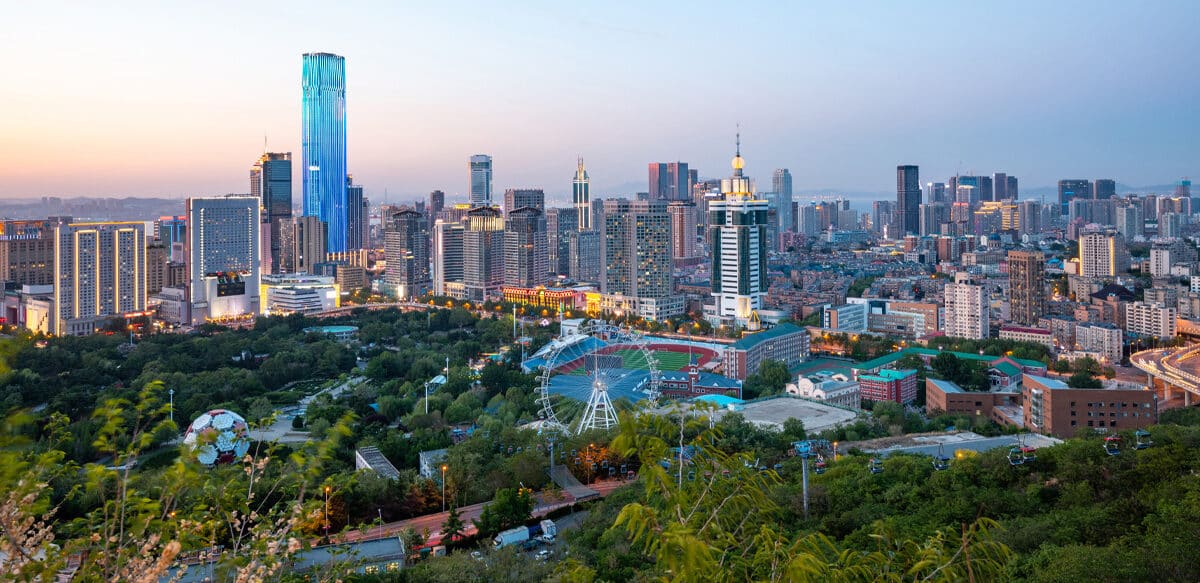
2026 Summer Davos in Dalian: Embracing transition and opportunity
July 2026
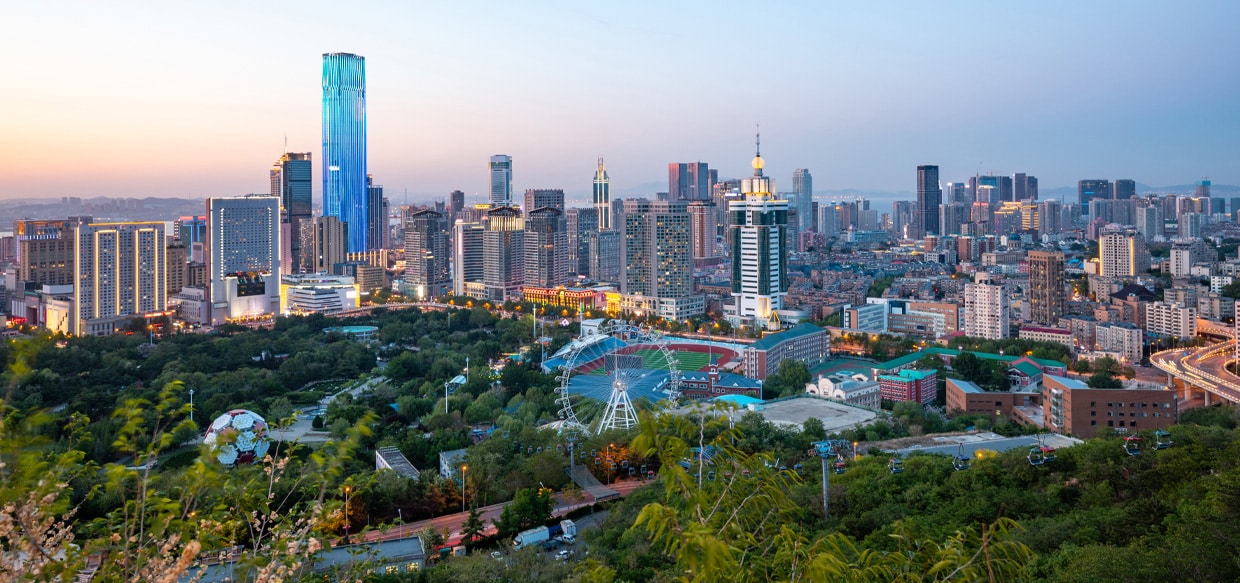
The World Economic Forum’s 17th Annual Meeting of the New Champions – better known as ‘Summer Davos’ – returned to the Chinese coastal city of Dalian from 23 to 25 June 2026, underscoring the Asia Pacific region’s importance as the global centre of gravity for innovation.
Under this year’s theme ‘Innovating at Scale’, the forum convened more than 1,800 leaders from government, business, civil society, and academia, representing over 90 countries and regions. Across some 200-plus sessions, participants explored ways of translating technological breakthroughs into both economic value and wider social benefits, with particular emphasis on China’s next phase of growth and Asia’s role in shaping new models of competitiveness.
A focus on innovation
From its inception, Summer Davos has always served a distinct purpose within the World Economic Forum calendar. While the annual meeting in Switzerland deals more with the immediate geopolitical and economic issues of the day, the summer forum – alternating between Dalian and Tianjin – looks further ahead, with a sharper focus on the future of entrepreneurship, frontier technologies, and the emerging growth opportunities opening up across developing markets.
Then there is the China dimension specifically; Summer Davos is one of the few international gatherings in China where senior policymakers, global executives, innovators and investors can engage in the same room. Since launching in 2007, it has become a timely platform for interrogating the pressing long-term macro issues affecting the globe, combined with more practical questions of how companies and governments alike can scale new ideas in the real economy. Central themes dominating this year’s conference ranged from Chinese modernisation and the future of US-China relations, to energy transition financing and the application of AI in the real economy.
Navigating through transition
This year’s meeting came at a time of ongoing turbulence and transition, as geopolitical fragmentation and security priorities have continued to shape the industrial strategies of the world’s largest economies, with policy imperatives reverberating through business calculations and compelling entrepreneurs to make tough choices.
Around the world, multinational companies are facing an operating environment in flux, underpinned by shifting supply chains, volatile markets, and accelerating technological disruption. The AI revolution is charging ahead, transforming entire industries by the day as investment continues to boom. The conversation around the green transition is increasingly shifting from climate concerns to questions of energy security. At the same time, the Hormuz crisis has upended global shipping and thrown oil and gas markets into disarray, reinforcing the far-reaching consequences of geopolitical shocks. Against this backdrop, the forum’s emphasis on scaling innovation felt less like a slogan than a commercial and policy necessity.
This is the context in which Chinese Premier Li Qiang opened last week’s forum, using his keynote address to position China’s innovation and industrial upgrading strategy as an opportunity for global growth rather than a source of threat. His core message was one of openness and collaboration: China would continue opening up to the world and investing in research under the 15th Five-Year Plan. Summing up China’s economy in four words – “stability, innovation, dynamism, and integration” – Premier Li noted that enterprises remain the “principal force of innovation” and that technological progress should “always reflect humanity’s common values and advance global peace and development”.
A platform for engagement
For global companies, the strategic value of forums such as Summer Davos lies not only in the public sessions, but in the access and convening power they create. Alongside a rarified handful of annual conferences including the China Development Forum and Boao Forum for Asia, Summer Davos offers a concentrated environment in which business leaders can engage directly with key decision-makers from across APAC, understand policy priorities in real time, and identify new areas for partnership.
For multinationals navigating China’s evolving policy landscape, such forums present an invaluable opportunity to amplify corporate visibility and build relationships grounded in long-term strategic relevance, in alignment with China’s development goals. Participation should be treated not as a calendar obligation, but as a core element of corporate positioning in China and wider APAC region. Looking ahead to the 9th China International Import Expo (CIIE) in Shanghai this November, our China team are ready to support you in shaping your engagement strategy, from government relations and stakeholder mapping to executive messaging, media management and on-the-ground communications – tailoring your corporate narrative and maximising your impact in one of the world’s most dynamic and consequential markets.