Sandpiper Group Launches in Malaysia
2 June, 2026
Search is becoming synthesis, that should matter to PR
17 June, 2026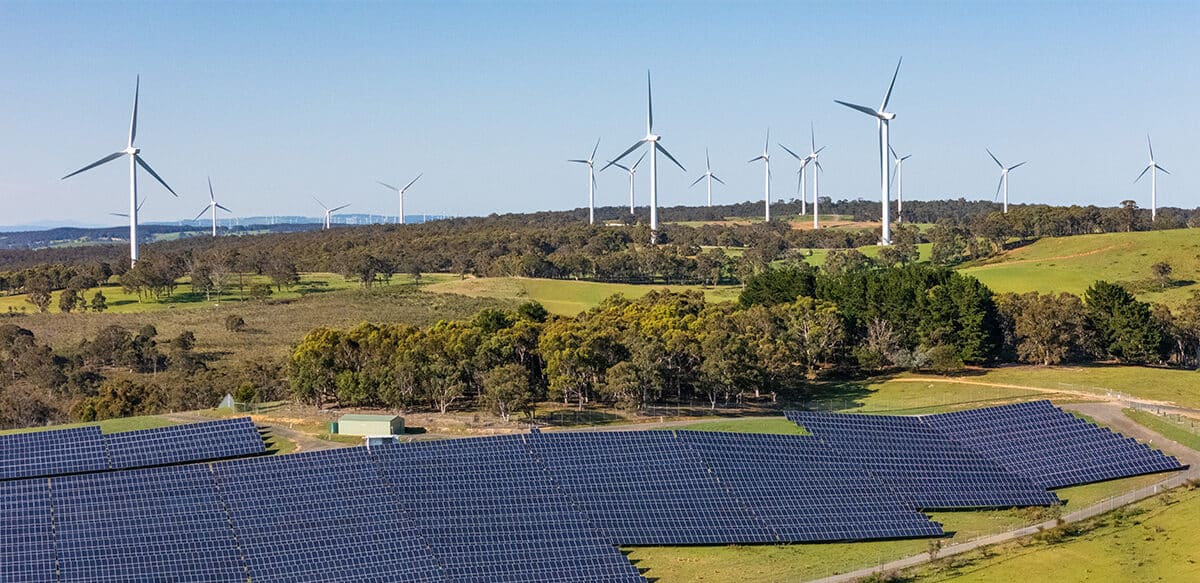
Australia’s Renewable Reckoning and APAC’s Opportunity
June 2026
By Anastasia Prikhodko, Account Director
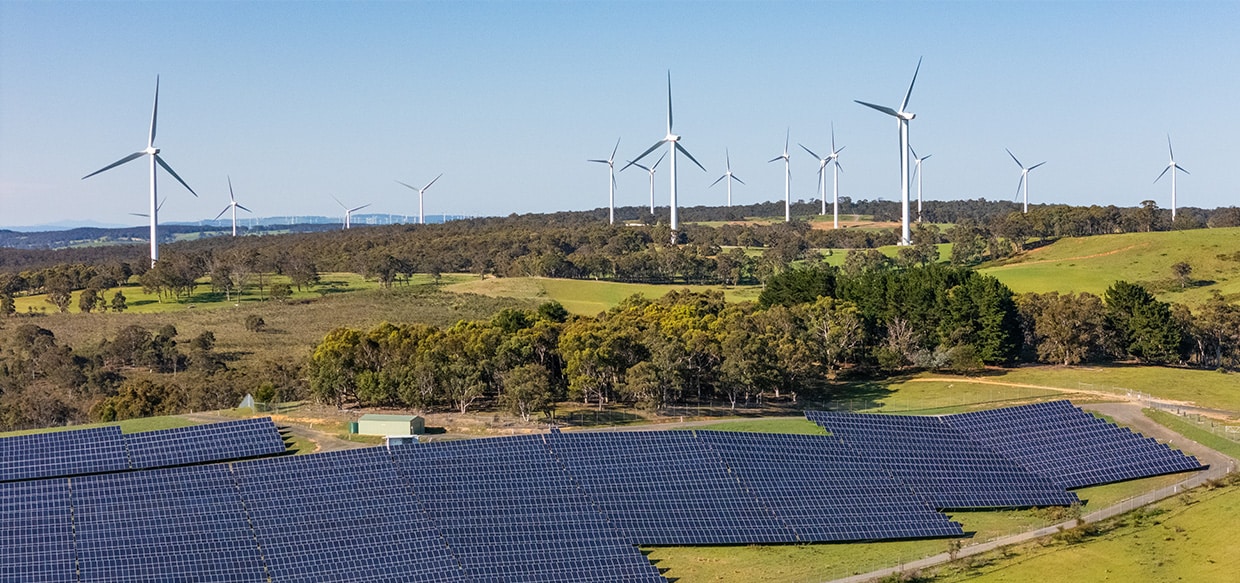
Australia arrived at an inflection point in the first quarter of this year. Renewables supplied 46.5% of electricity while coal fell to its lowest quarterly share on record. Batteries have also become a fixture of the grid, absorbing excess solar generation and releasing it when demand is high.
The structural change matters well beyond Australia’s own borders. Wood Mackenzie’s latest Asia Pacific power outlook found that the region added an extra 600 TWh of electricity demand in 2025 alone – driven by data centre installations and strong industrial growth – with China consuming more than 10 PWh of electricity for the first time in history. Nearly 500 GW of wind and solar were built across APAC in 2025 and with Australia’s own target of 82% renewable energy by 2030, the nation is well placed to be a close and credible partner in what comes next.
Ambition versus execution
At the Australian High Commission in Singapore earlier this month, Climate Change Authority Chair Matt Kean reinforced the strength of the partnership and also the need for urgency. He cited government analysis estimating the region needs AU$3 trillion in infrastructure investment — and a similar sum again for the green transition. Bloomberg projects nine gigawatts of new solar capacity across Southeast Asia this year alone, with cumulative deployment expected to reach 133 gigawatts over the coming decade at a cost of around AU$123 billion.
The capital is there. Mobilising it is the challenge. Southeast Asia’s Green Economy Report 2026 found that while the region has announced US$540 billion in green power and EV capital expenditure through to 2030, only around US$315 billion is on a credible path to deployment. Global instability has made governments cautious, pushing energy security and affordability ahead of green investment on the priority list and stalling projects. That said, S&P Global notes that APAC countries are holding their renewable momentum into 2026 – perhaps a sign that the underlying investment case remains intact.
The partnerships doing the work
Australia’s renewable resources – solar, wind, and land – have long marked it as a potential clean energy powerhouse. What has changed is the pace of uptake, with policy momentum and growing demand for green commodities driving the transition. Australia is an important partner in Southeast Asia’s energy transition, with formal frameworks such as the Singapore–Australia Green Economic Agreement and the ASEAN–Australia Comprehensive Strategic Partnership creating pathways for technology transfer, clean energy investment, and deeper regional cooperation.
CSIRO is one such partnership in action. Australia’s national science agency works directly with energy ministries, market operators, and research partners across Indonesia, Thailand, Malaysia, and Vietnam to support electricity system and network planning.
What comes next?
In long-term energy partnerships, trust is built on consistency. Australia’s transition offers a case study in what grid transformation at scale requires – commercially, politically, and how it is communicated. Governments must clearly articulate what the transition means for energy security and affordability, while companies must ensure their positioning is coherent across jurisdictions.
Globally, renewable capacity is set to more than double by 2030, with solar driving nearly 80% of that growth according to the International Energy Agency. In APAC, 2026 is shaping up to be a year of market maturation and regulatory reform – work that determines whether momentum converts into lasting change. The important question now is whether the partnerships, capital, and policy frameworks are in place to convert Australia’s momentum into Southeast Asia’s own transition – and whether the decisions being made right now are equal to that task.
Learn more about Sandpiper’s environmental and renewable energy advisory offering here